
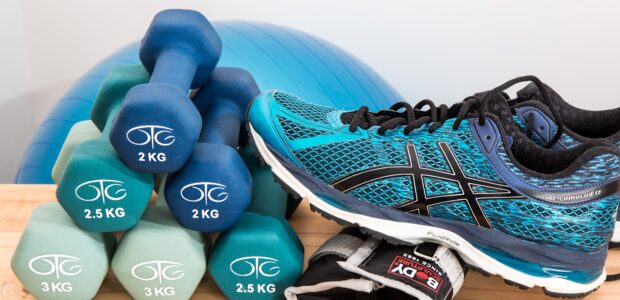

Fitness is more than just working out—it’s a lifestyle that improves your physical health, mental clarity, and overall well-being. Whether you’re a beginner or looking to level up your routine, this complete guide to fitness will help you understand the fundamentals and create a sustainable plan for long-term success.
What Is Fitness?
Fitness refers to your body’s ability to perform daily activities efficiently while maintaining enough energy for leisure and emergencies. A well-rounded fitness plan improves:
- Cardiovascular endurance
- Muscular strength
- Flexibility
- Body composition
- Mental resilience
Regular exercise reduces the risk of chronic diseases, improves mood, enhances sleep quality, and increases life expectancy.
The 5 Key Components of Physical Fitness
1. Cardiovascular Endurance



Cardio exercises strengthen your heart and lungs, improving oxygen circulation throughout the body.
Best cardio workouts:
- Running or jogging
- Cycling
- Swimming
- Jump rope
- Brisk walking
👉 Aim for 150 minutes of moderate-intensity cardio per week.
2. Muscular Strength & Endurance


Strength training builds muscle mass, boosts metabolism, and enhances bone density.
Popular strength exercises:
- Squats
- Deadlifts
- Push-ups
- Bench press
- Resistance band workouts
👉 Train each major muscle group 2–3 times per week.
3. Flexibility & Mobility


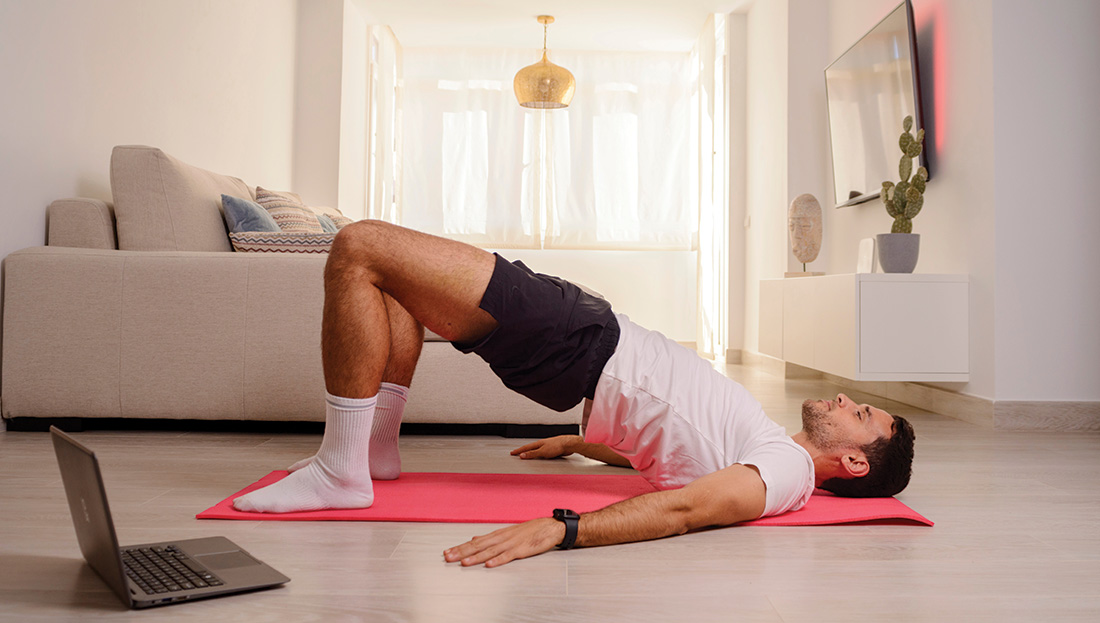
Flexibility reduces injury risk and improves range of motion.
Effective flexibility workouts:
- Yoga
- Dynamic stretching
- Pilates
- Mobility drills
👉 Stretch for at least 10 minutes after every workout.
4. Body Composition
Body composition refers to the ratio of fat mass to lean muscle mass. Improving this balance enhances overall health and appearance.
To improve body composition:
- Combine strength training with cardio
- Maintain a balanced, protein-rich diet
- Stay hydrated
- Get adequate sleep
5. Mental Fitness
Physical fitness and mental health go hand in hand. Exercise releases endorphins, reduces stress, and improves focus.
Benefits include:
- Reduced anxiety and depression
- Improved concentration
- Better sleep
- Increased confidence
How to Start a Fitness Routine (Beginner’s Guide)
Starting your fitness journey doesn’t have to be overwhelming. Follow these simple steps:
Step 1: Set SMART Fitness Goals
Make your goals:
- Specific
- Measurable
- Achievable
- Relevant
- Time-bound
Example: “Lose 5 kg in 3 months by exercising 4 times a week.”
Step 2: Create a Weekly Workout Plan
Sample Weekly Fitness Plan:
- Monday: Full-body strength training
- Tuesday: Cardio (30 minutes)
- Wednesday: Rest or light yoga
- Thursday: Upper body workout
- Friday: Lower body workout
- Saturday: HIIT cardio
- Sunday: Rest
Step 3: Focus on Nutrition
Fitness is 70% nutrition and 30% exercise.
Key nutrition tips:
- Eat lean protein (chicken, eggs, legumes)
- Choose complex carbohydrates
- Include healthy fats
- Avoid processed foods
- Drink 2–3 liters of water daily
Top Benefits of Regular Exercise
Here’s what consistent fitness training can do for you:
Boost metabolism
Improve heart health
Increase muscle tone
Enhance posture
Strengthen immunity
Improve mental clarity
Support weight management
Common Fitness Mistakes to Avoid
Avoid these common errors:
- Skipping warm-ups
- Overtraining without rest
- Ignoring nutrition
- Poor exercise form
- Unrealistic expectations
Consistency beats intensity every time.
Home Workout vs Gym Workout: Which Is Better?
Both options are effective—it depends on your goals and preferences.
Home Workouts:
- Convenient
- Budget-friendly
- Flexible schedule
Gym Workouts:
- Access to equipment
- Professional guidance
- Motivating environment
Choose what keeps you consistent.
Final Thoughts: Make Fitness a Lifestyle
Fitness is not a short-term challenge—it’s a lifelong commitment to health and vitality. Start small, stay consistent, and focus on progress over perfection.
Remember: The best workout plan is the one you can stick to.
Frequently Asked Questions (FAQ)
Q1: How often should I work out?
Aim for 3–5 days per week depending on your goals.
Q2: How long should a workout last?
30–60 minutes is sufficient for most people.
Q3: Can I get fit at home without equipment?
Yes! Bodyweight exercises can be highly effective.
If you’re ready to begin your fitness journey, start today. Your future self will thank you.